
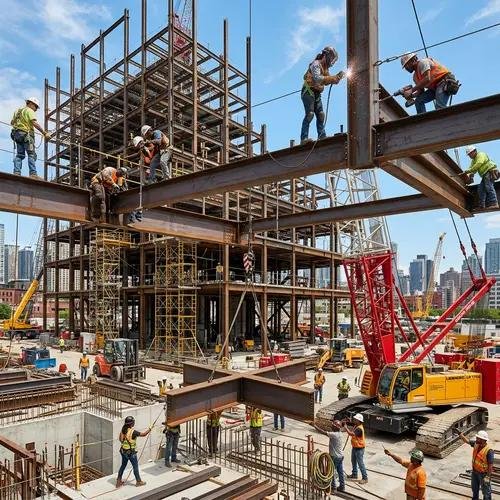

The construction and building industry plays a vital role in shaping communities, supporting economic growth, and creating the infrastructure needed for modern life. From residential buildings and commercial developments to roads, warehouses, industrial facilities, and public infrastructure, every successful project begins with careful planning, quality materials, skilled professionals, and reliable supply.
As construction projects continue to become more complex, choosing the right building materials and working with dependable suppliers has become increasingly important. Quality construction is not only about completing a project on time. It is about creating structures that are safe, durable, efficient, and capable of delivering long-term value.
The Importance of Quality in Construction
Quality is one of the most important factors in any construction project. Every component of a building contributes to its overall strength and performance. Materials such as cement, steel, concrete products, roofing systems, pipes, fittings, and finishing materials must meet the requirements of the project and be suitable for their intended application.
Using reliable materials can help reduce unnecessary repairs, improve structural performance, and support a longer service life. On the other hand, selecting materials based only on the lowest initial cost can create additional expenses later through maintenance, replacement, or delays.
For this reason, construction companies, contractors, developers, and project owners should consider quality, suitability, availability, and long-term value when selecting materials.
Choosing the Right Building Materials
Every construction project has different requirements. A residential building, commercial property, warehouse, and industrial facility may require different material specifications and performance characteristics.
When selecting construction materials, several factors should be considered:
1. Project Requirements
The first step is understanding exactly what the project requires. Material selection should be based on the building design, structural requirements, environmental conditions, intended use, and project specifications.
2. Material Quality
High-quality materials can contribute to better durability and performance. Buyers should work with reliable suppliers and verify product specifications whenever necessary.
3. Availability
A construction project can be delayed when essential materials are unavailable at the right time. Reliable sourcing and supply planning are therefore important parts of successful project management.
4. Cost and Long-Term Value
The cheapest material is not always the most economical choice. A better approach is to consider the relationship between purchase price, quality, durability, maintenance requirements, and expected service life.
5. Compatibility
Materials used together within a building system should be compatible. Selecting products that work properly together can help improve overall project performance.
The Role of Steel in Modern Construction
Steel remains an important material in many construction projects because of its strength, versatility, and ability to support a wide range of structural applications.
Steel can be used in structural frameworks, reinforcement, roofing systems, industrial structures, warehouses, commercial buildings, and many other applications.
The quality and specification of steel should always be appropriate for its intended use. Project teams should consider factors such as strength, dimensions, grade, corrosion protection, and applicable project requirements before purchasing.
Proper storage and handling are also important. Construction materials should be protected from unnecessary damage and stored in a way that supports their quality throughout the project.
Cement and Concrete: The Foundation of Strong Construction
Cement and concrete are fundamental components of many construction projects. Concrete is widely used for foundations, columns, beams, slabs, walls, roads, and other structural and non-structural applications.
The performance of concrete depends on several factors, including the quality of the materials, mix design, water ratio, mixing process, placement, compaction, and curing.
This means that purchasing quality cement is only one part of achieving good results. Proper handling, storage, mixing, placement, and curing are equally important.
Construction teams should always follow appropriate technical specifications and professional guidance for structural applications.
Planning Before Construction
A successful construction project starts long before materials arrive at the site.
Good planning helps project teams understand:
- What materials are required
- When each material is needed
- How much material should be ordered
- Where materials will be stored
- What the project schedule looks like
- Which suppliers will provide the required products
- How transportation and delivery will be managed
Effective planning can reduce unnecessary delays and help construction teams maintain better control over their budgets and schedules.
Reliable Supply Is Part of Construction Quality
Even the best construction materials have limited value if they cannot reach the project site when they are needed.
Reliable supply plays an important role in maintaining project continuity. Construction companies and contractors often depend on suppliers to provide consistent access to essential products while meeting agreed delivery requirements.
A dependable trading and supply partner can help businesses manage procurement more efficiently by providing access to construction materials and building supplies through an organized supply process.
For large projects, communication between suppliers, contractors, engineers, and project managers is particularly important.
Building for Long-Term Performance
Modern construction is increasingly focused on long-term performance rather than simply completing a building.
A well-planned project should consider durability, maintenance, efficiency, safety, and the future needs of the building’s occupants.
This approach can influence decisions throughout the project, including:
- Material selection
- Structural design
- Roofing systems
- Water management
- Insulation
- Finishing materials
- Maintenance planning
- Energy efficiency
Choosing appropriate materials at the beginning of a project can contribute to better long-term performance.
Safety Should Always Be a Priority
Construction sites contain many potential hazards, which makes safety an essential part of every project.
Workers should receive appropriate training and use suitable personal protective equipment. Construction sites should also follow relevant safety procedures and project requirements.
Safety should not be treated as an additional task after construction planning. It should be integrated into the entire project from the beginning.
A professional construction environment combines quality materials, proper planning, skilled workers, responsible management, and strong safety practices.
The Future of Construction
The construction industry continues to evolve as technology, materials, design methods, and project management practices develop.
Digital tools are helping construction companies improve planning, communication, documentation, and project monitoring. At the same time, new approaches to sustainable construction are encouraging businesses to think more carefully about material efficiency, waste reduction, energy performance, and the long-term environmental impact of buildings.
The future of construction will likely involve greater integration between technology, material innovation, sustainability, and efficient supply chains.
Companies that adapt to these changes can improve how they plan, build, manage, and maintain projects.
Why Reliable Construction Partners Matter
Construction projects involve many moving parts. From material selection and procurement to transportation, delivery, installation, and project completion, each stage can affect the final result.
Working with a reliable supply partner can help businesses maintain better access to the materials they need while reducing procurement challenges.
At Redsea General Trading Company, our focus is on supporting construction and building projects through reliable access to quality construction materials, building supplies, and general trading solutions.
We understand that every project has different requirements, which is why dependable service, product quality, communication, and customer-focused support are important parts of a successful supply relationship.
Conclusion
Strong construction begins with strong foundations, but successful projects require much more than concrete and steel. Quality materials, careful planning, reliable supply, skilled professionals, safety, and long-term thinking all contribute to the success of a building project.
Whether you are developing a residential property, commercial building, warehouse, industrial facility, or another construction project, making informed decisions about materials and suppliers can help create better results.
As the construction industry continues to grow and evolve, the importance of quality, reliability, and efficient supply will remain essential.
