
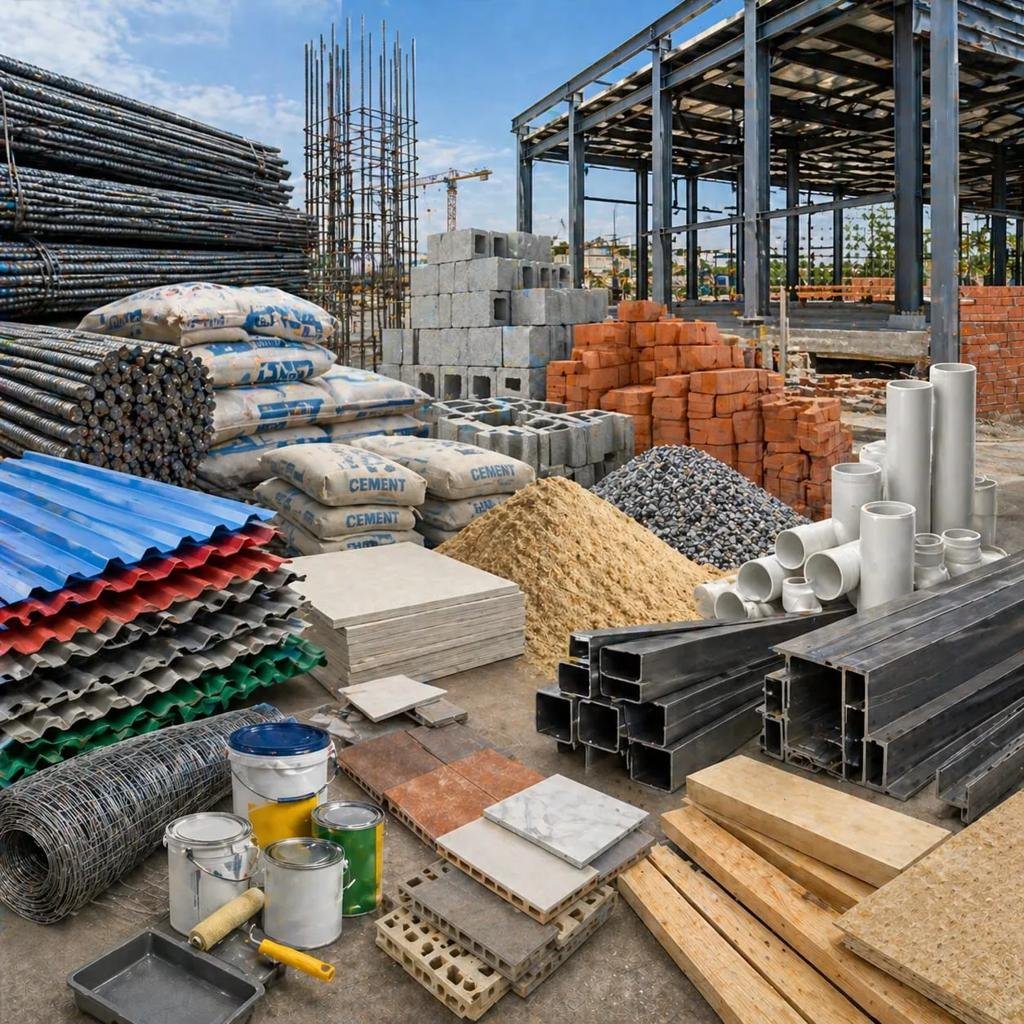

Building materials are the essential components used in the construction of homes, offices, commercial buildings, warehouses, schools, hospitals, and infrastructure projects. The quality of these materials directly affects the strength, safety, durability, and appearance of a structure. Choosing the right building materials is one of the most important decisions in any construction project because it determines how well a building will perform over time.
Modern construction relies on a wide variety of materials, including cement, concrete, steel, bricks, timber, glass, roofing products, and finishing materials. Each material serves a specific purpose and contributes to the overall quality of the finished structure.
The Importance of Quality Building Materials
Using high-quality building materials offers numerous benefits. Strong materials provide better structural integrity, improve safety, reduce maintenance costs, and extend the lifespan of a building. They also help improve energy efficiency and enhance the overall appearance of a property.
Poor-quality materials can lead to structural weaknesses, water damage, cracks, corrosion, and costly repairs. For this reason, contractors, engineers, architects, and property owners should always prioritize quality when selecting construction materials.
Cement: The Foundation of Construction
Cement is one of the most widely used building materials in the world. It acts as a binding agent that holds other materials together. Cement is a key ingredient in concrete, mortar, and plaster.
Common uses of cement include:
- Building foundations
- Concrete slabs
- Walls and columns
- Roads and pavements
- Bridges and infrastructure projects
The popularity of cement comes from its strength, durability, affordability, and versatility. Without cement, modern construction would not be possible.
Concrete: The Backbone of Modern Structures
Concrete is produced by mixing cement, water, sand, and aggregates such as gravel or crushed stone. It is one of the strongest and most durable building materials available today.
Concrete is commonly used for:
- Foundations
- Floors
- Beams and columns
- Retaining walls
- Roads and highways
- Commercial and industrial structures
One of the greatest advantages of concrete is its ability to withstand heavy loads while maintaining long-term durability. It is also resistant to fire, weather, and environmental damage.
Steel: Strength and Reliability
Steel is an essential material in modern construction because of its exceptional strength and flexibility. It is commonly used in large buildings, bridges, warehouses, and industrial facilities.
Applications of steel include:
- Structural frameworks
- Reinforcement bars (rebar)
- Roof supports
- Industrial construction
- High-rise buildings
Steel offers several benefits, including high tensile strength, durability, recyclability, and resistance to deformation. When combined with concrete, it creates reinforced concrete structures capable of supporting significant loads.
Bricks and Concrete Blocks
Bricks and concrete blocks are among the most common materials used for constructing walls and partitions. They provide strength, durability, and thermal insulation.
Advantages of bricks and blocks include:
- Long-lasting performance
- Fire resistance
- Sound insulation
- Low maintenance requirements
- Cost-effectiveness
These materials are widely used in residential, commercial, and industrial construction projects around the world.
Timber and Wood
Wood has been used in construction for centuries and remains an important building material today. It is valued for its natural appearance, flexibility, and ease of use.
Common uses of timber include:
- Roof structures
- Doors and windows
- Flooring
- Furniture
- Decorative finishes
Timber is a renewable resource and can provide excellent insulation. Proper treatment helps protect wood from moisture, insects, and decay, ensuring long-term durability.
Roofing Materials
The roof is one of the most important parts of any building because it protects the structure from weather conditions such as rain, wind, heat, and sunlight.
Popular roofing materials include:
- Metal roofing sheets
- Concrete roof tiles
- Clay tiles
- Asphalt shingles
- Modern metal roofing systems
Choosing the right roofing material depends on factors such as climate, budget, maintenance requirements, and design preferences.
Glass in Modern Construction
Glass plays a major role in contemporary architecture. It is widely used in residential and commercial buildings to improve natural lighting and create modern, attractive designs.
Applications of glass include:
- Windows
- Doors
- Skylights
- Curtain walls
- Interior partitions
Modern glass technology provides improved insulation, energy efficiency, and safety while enhancing the visual appeal of buildings.
Sustainable Building Materials
As environmental awareness continues to grow, the construction industry is increasingly adopting sustainable building materials. These materials help reduce environmental impact while maintaining excellent performance.
Examples include:
- Recycled steel
- Engineered wood
- Reclaimed timber
- Eco-friendly insulation
- Energy-efficient glass
- Sustainable finishing materials
Green construction practices not only benefit the environment but also reduce operating costs and improve energy efficiency.
Factors to Consider When Selecting Building Materials
Selecting the right building materials requires careful planning and evaluation. Important factors include:
1. Durability
Materials should be capable of withstanding environmental conditions and long-term use.
2. Cost
The material should fit within the project budget while providing good value.
3. Availability
Locally available materials often reduce transportation costs and project delays.
4. Maintenance Requirements
Low-maintenance materials can reduce long-term expenses.
5. Safety
Construction materials should meet safety standards and building regulations.
6. Energy Efficiency
Efficient materials help reduce energy consumption and operating costs.
7. Appearance
The visual appeal of materials contributes to the overall design and value of the property.
The Future of Building Materials
Technology continues to transform the construction industry. New building materials are becoming stronger, lighter, more sustainable, and more energy-efficient. Innovations such as smart materials, advanced insulation systems, and environmentally friendly construction products are helping shape the future of modern construction.
As cities continue to grow and infrastructure demands increase, the importance of high-quality building materials will remain critical to creating safe, durable, and sustainable structures.
