
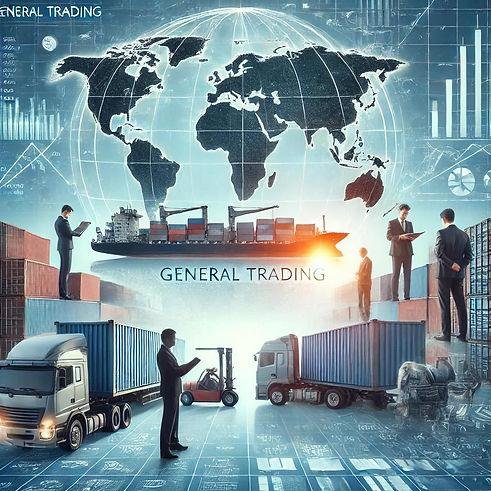

General trading is one of the most important sectors in the global economy. It serves as the bridge between manufacturers, suppliers, wholesalers, retailers, and consumers by facilitating the movement of products across local and international markets. A general trading company typically engages in the import, export, distribution, wholesale, and supply of a wide range of products rather than focusing on a single category.
In today’s interconnected world, general trading businesses play a critical role in ensuring that products reach customers efficiently and reliably. From food commodities and construction materials to electronics, consumer goods, and industrial equipment, general trading companies help businesses access the products they need while creating opportunities for economic growth and international cooperation.
What Is General Trading?
General trading refers to the business activity of buying, selling, importing, exporting, distributing, and supplying a wide variety of goods across different industries and markets. Unlike specialized companies that focus on a single product category, general trading companies often deal with multiple products and industries simultaneously.
A typical general trading company may operate in:
- Import and export
- Wholesale distribution
- Retail supply
- Logistics and transportation
- Procurement services
- Warehousing and inventory management
- International sourcing
These activities enable businesses to connect local markets with global suppliers and manufacturers.
The Importance of General Trading
General trading is essential for economic development because it ensures the continuous flow of goods between producers and consumers. Countries and regions often depend on imports for products that are not readily available locally while exporting goods in which they have strengths or advantages.
The benefits of general trading include:
- Increased product availability
- Business expansion opportunities
- Job creation
- Market growth
- Improved supply chains
- Access to international products
- Competitive pricing
- Economic development
Without effective trading networks, many industries would struggle to obtain the products and materials required for their operations.
Import and Export Operations
Importing and exporting are among the most important activities within general trading.
Importing
Importing involves purchasing products from international suppliers and bringing them into a local market. Companies import products such as:
- Food commodities
- Construction materials
- Electronics
- Machinery
- Medical supplies
- Consumer goods
Exporting
Exporting involves selling locally produced goods to international markets. Common export products include:
- Agricultural products
- Livestock
- Seafood
- Minerals
- Manufactured goods
Successful import and export operations require strong supplier relationships, quality control, logistics management, and compliance with trade regulations.
Wholesale Distribution
Wholesale distribution is another key function of general trading companies. Wholesalers purchase products in large quantities and distribute them to retailers, institutions, and businesses. This process helps manufacturers reach broader markets while ensuring retailers maintain adequate inventory.
Benefits of wholesale distribution include:
- Bulk purchasing advantages
- Lower unit costs
- Improved product availability
- Faster market penetration
- Reliable supply chains
A strong distribution network enables products to move efficiently from suppliers to customers.
Product Categories in General Trading
General trading companies often deal with a wide range of products, including:
Construction Materials
Construction materials such as cement, steel, roofing products, pipes, and hardware are commonly traded to support infrastructure and building projects.
Food and Beverages
Food commodities including rice, sugar, flour, cooking oil, beverages, and packaged foods are distributed to retailers, supermarkets, and wholesalers.
Consumer Goods
Consumer products such as household items, personal care products, textiles, and electronics represent a significant portion of trading activity.
Industrial Equipment
Many trading companies supply machinery, tools, equipment, and spare parts required by various industries.
Supply Chain and Logistics
Efficient logistics and supply chain management are critical to the success of any general trading company.
Key logistics activities include:
- Procurement
- Inventory management
- Warehousing
- Transportation
- Freight forwarding
- Customs clearance
- Distribution
A well-managed supply chain helps reduce costs, improve delivery times, and increase customer satisfaction. Modern technology has further enhanced supply chain visibility and operational efficiency.
The Role of Warehousing
Warehousing plays an important role in general trading by providing secure storage for products before distribution.
Benefits of warehousing include:
- Inventory control
- Product protection
- Faster order fulfillment
- Reduced transportation costs
- Improved stock management
Modern warehouses often use advanced inventory systems to track products and improve operational efficiency.
Building Strong Supplier Relationships
One of the most important assets of a successful trading company is a reliable supplier network. Strong relationships with manufacturers and suppliers help ensure:
- Consistent product quality
- Competitive pricing
- Reliable inventory availability
- Better negotiation opportunities
- Long-term business growth
Companies that build strong partnerships often gain a competitive advantage in the marketplace.
Technology in General Trading
Modern technology has transformed the trading industry. Digital tools help businesses manage operations more efficiently and make better decisions.
Examples include:
- Enterprise Resource Planning (ERP) systems
- Inventory management software
- E-commerce platforms
- Digital payment systems
- Customer relationship management systems
- Supply chain tracking solutions
Technology enables trading companies to operate faster, reduce errors, and improve customer service.
Challenges in the General Trading Industry
Despite its opportunities, general trading also presents several challenges:
- Supply chain disruptions
- Market competition
- Currency fluctuations
- Regulatory compliance
- Shipping delays
- Inventory management issues
- Economic uncertainty
Successful companies overcome these challenges through strategic planning, diversification, strong supplier relationships, and effective risk management.
Future Opportunities in General Trading
The future of general trading remains promising as globalization, digital commerce, and international trade continue to expand. Emerging markets offer new opportunities for businesses seeking growth through imports, exports, and distribution networks.
Future trends include:
- Increased e-commerce integration
- Digital supply chain management
- Sustainable sourcing practices
- Cross-border trade expansion
- Automation and data analytics
- Improved logistics technology
Companies that adapt to these changes will be well-positioned for long-term success.
